

Product details
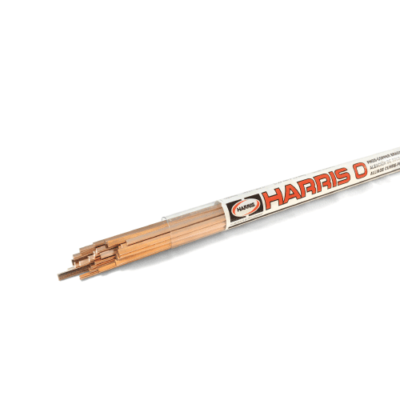
Blockade Low Temperature Brazing Alloy
Blockade is a specialized brazing alloy developed for low-temperature joining of copper and brass components. Its narrow melting range combined with smooth flow characteristics allows operators to cap or build up material around finished joints when required.
It is particularly effective for brass brazing applications because its lower operating temperature helps reduce the risk of overheating or damaging brass components. Blockade is frequently used as a cost-effective replacement for high-silver brazing alloys since it does not contain silver, providing substantial material cost savings.
However, this alloy is not recommended for steel or ferrous metals because the phosphorus content can form brittle compounds with those materials. Phosphorus-containing brazing alloys should also be avoided in environments where sulfur or sulfur compounds are present during service.
Key Benefits
Designed for low-temperature copper and brass brazing
Smooth flow allows joint capping and build-up
Reduces overheating risk on brass components
Cost-effective replacement for silver brazing alloys
Provides reliable and strong brazed joints
Suitable for repair and production brazing operations
Specifications
Product Name: Blockade
Product Type: Copper-Based Brazing Alloy
Suitable Materials: Copper and brass
Recommended Use: Low-temperature brazing applications
Not Suitable For: Steel and ferrous alloys
Service Limitation: Not recommended where sulfur compounds are present
Chemical Composition: Silicon 0.01–0.40%, Tin 6.0–7.0%, Phosphorus 6.0–7.0%, Copper remainder, Other elements total 0.15%
Solidus Temperature: 1178°F (637°C)
Liquidus Temperature: 1247°F (674°C)
Brazing Range: 1200°F to 1280°F (649°C to 693°C)
Density: 0.293 lb/cu in
Applications
Copper tubing and fitting brazing
Brass component repair and fabrication
HVAC and plumbing copper assembly work
Industrial copper and brass joining operations
Production and maintenance brazing processes
FAQs
Can Blockade replace silver brazing alloys?
Yes, it is often selected as a cost-effective alternative for copper and brass brazing applications.
Can it be used on steel components?
No, it is not recommended for steel or other ferrous metals due to brittle compound formation.
Why is it good for brass brazing?
Its lower melting temperature reduces the risk of overheating brass components during brazing.
Can it be used where sulfur exposure occurs?
No, phosphorus-containing alloys should not be used in sulfur-exposed environments.
There are no reviews yet.